
Choosing Materials for a Coastal California Home
How sun, salt air, moisture and maintenance should influence exterior and interior material selections.
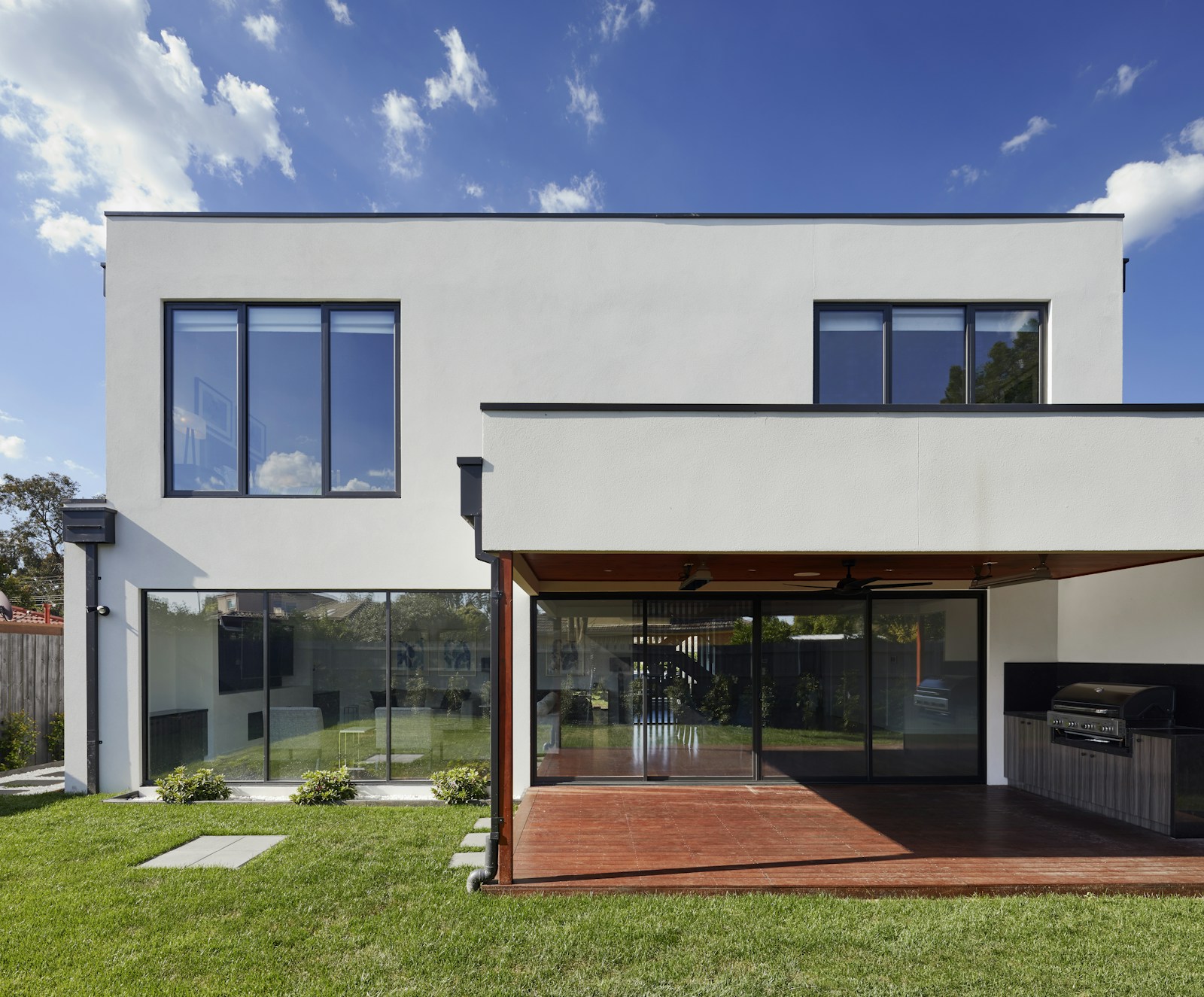
Living near the Pacific is one of the great pleasures of a coastal California home, and it also asks more of the materials that make up that home. Strong sun, salt carried on the breeze, the morning marine layer and sand tracked in from the beach all wear on surfaces in ways that an inland house may never see. The good news is that most of these effects are predictable. When materials are chosen with them in mind, a home looks better for longer and needs less unplanned repair.
Start with the conditions at your address
Coastal exposure is not the same on every lot. A house with an unobstructed ocean view takes wind and salt very differently from one several streets inland, and a wall that faces the afternoon sun ages differently from one in shade. Before choosing products, it helps to note a few things about the property.
- How directly the home faces the ocean breeze.
- Which elevations take the strongest sun.
- Where moisture lingers, such as shaded side yards or areas with poor drainage.
- How much maintenance you realistically want to do each year.
Salt air and anything made of metal
Salt accelerates corrosion, and the parts that fail first are often the smallest. Fasteners, hinges, door hardware, light fixtures, railings and flashing can stain or weaken long before the larger surfaces around them show wear. When you review a coastal project, ask which metals are specified and why. Corrosion-resistant fasteners and hardware, such as marine-grade stainless steel or appropriately coated options, cost more at the start but help avoid rust streaks and early replacement. It is also worth checking each manufacturer's guidance for installations near salt water, because some products carry specific conditions for coastal use.
Sun, heat and fading
Ultraviolet light breaks down finishes, dries out wood and fades color. On exterior work, that affects paint and stain, decking, outdoor fabrics and sealants. A few practical approaches help:
- Choose exterior coatings and stains rated for strong sun exposure.
- Expect natural wood to weather, and decide whether you want to maintain its color or let it gray.
- Consider how dark colors on sunny walls and decks will hold up and how warm they will feel underfoot.
- Protect interior floors and furniture near large windows with suitable glass or window treatments.
Moisture, the marine layer and building details
Coastal moisture rarely arrives as a single storm. It shows up as damp mornings, condensation and air that stays humid for long stretches. That makes the details of the building envelope especially important. Proper flashing around windows and doors, a well-installed weather barrier behind the siding, sealed penetrations and good drainage away from the foundation do much of the quiet work of keeping water out. Inside, effective ventilation in bathrooms, kitchens and laundry areas helps control humidity and the mildew that can follow it.
Exterior materials worth comparing
There is no single right answer for siding, decking or trim near the coast. Each material trades appearance, cost and upkeep differently. Fiber cement, stucco, wood, composite and metal products all appear on coastal homes, and the right choice depends on the look of the house, the exposure of each wall and how much care you plan to give it. When you compare options, ask about recommended maintenance, how the material handles moisture and sun, and what the manufacturer's coastal guidance says. Windows and exterior doors deserve the same attention, since frames, hardware and seals all face the same salt and sun.
Interior choices for a beach lifestyle
The coast affects the inside of the house too. Sand acts like fine sandpaper on soft floors, wet towels and swimsuits find their way into every room, and the doors that lead to patios see constant traffic. Durable flooring at entries, washable surfaces in mudrooms and bathrooms, and storage near the door for gear can make daily life easier. Natural materials such as wood and stone can work beautifully indoors when they are finished and maintained for the way the household actually lives.