Why Homeowners Choose a Coordinated Design-Build Team
How better coordination can clarify accountability and reduce handoff problems during residential construction.
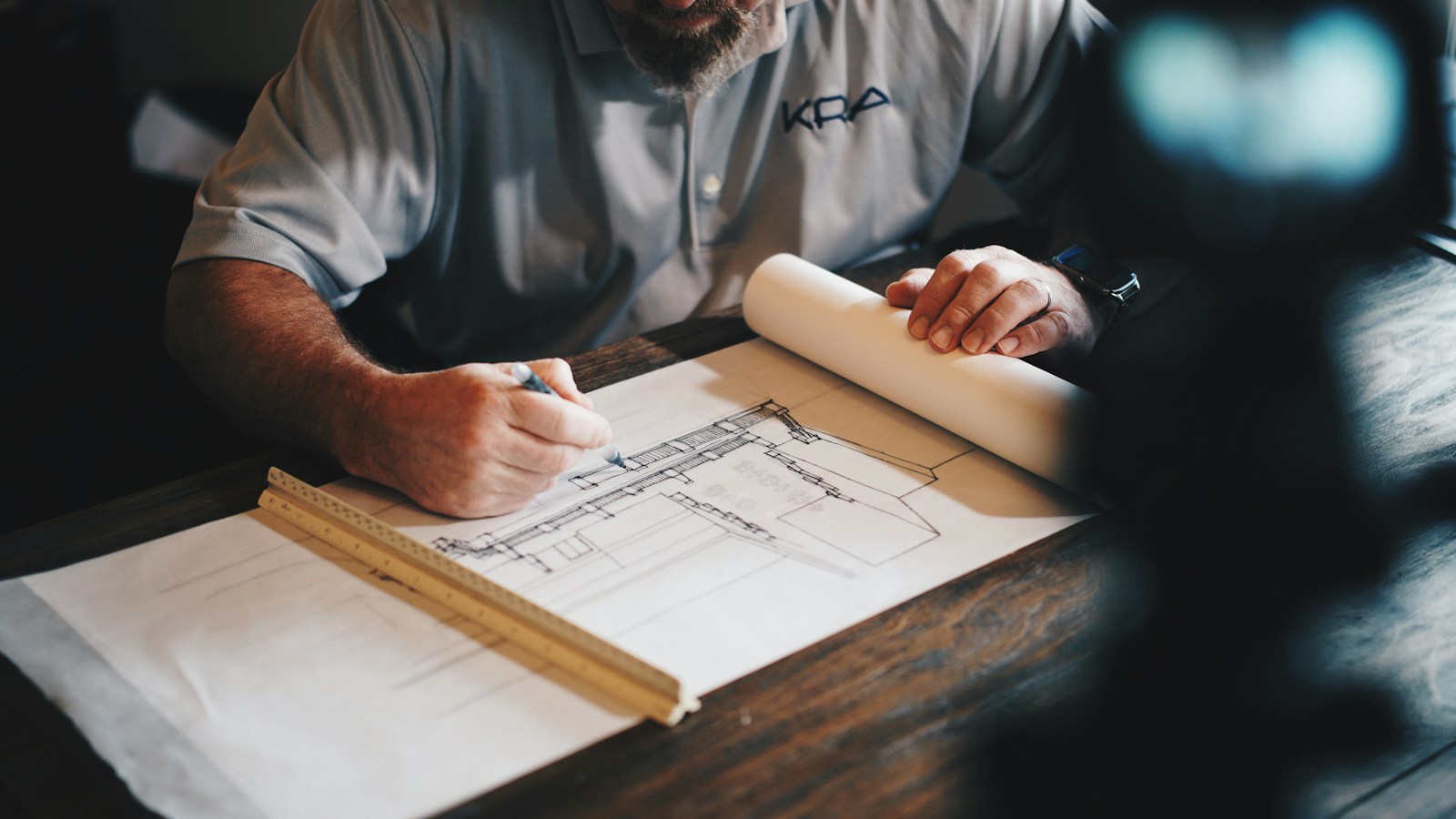
Most residential projects involve more people than homeowners expect. A designer or architect, sometimes an engineer, a general contractor, several trades, suppliers and the city's plan reviewers and inspectors all play a part. How those people are organized has a real effect on the experience of building. A coordinated design-build approach brings design and construction under one team from the beginning, and many homeowners choose it because it reduces the gaps where projects tend to go wrong.
Two common ways to organize a project
In a traditional sequence, often called design-bid-build, the homeowner hires a designer to complete plans, then invites contractors to price those plans, then hires a builder to carry them out. Design and construction happen in separate steps, usually with separate contracts.
In a design-build approach, design and construction are coordinated by one team that stays involved from early planning to the final walkthrough. The builder's knowledge of cost, sequencing and construction details is part of the conversation while the design is still taking shape, not after it is finished.
Both approaches can produce excellent homes. The difference lies in how information moves between the people involved and who is responsible when something needs to be resolved.
Fewer handoffs, fewer gaps
Every handoff between separate parties is a chance for something to be lost. A detail on the drawings may not reflect a condition in the existing house. A finish may be specified without anyone checking its lead time. A structural change may not be reflected in the electrical layout. In a coordinated team, these questions come up in the same room, earlier, when they are cheaper and easier to solve.
Budget feedback while the design can still change
One of the most frustrating outcomes in residential construction is a finished set of plans that turns out to cost far more than the homeowner intended. When the builder is involved during design, cost implications can be discussed as choices are made. That does not make every project inexpensive, but it gives you the information to decide where to invest and where to simplify before the drawings are complete.
Clear accountability
When design and construction are separate, a problem can turn into a debate about whose responsibility it is: the drawings or the execution. With one coordinated team, the homeowner has a single point of contact responsible for moving the work forward and for resolving questions as they come up. For many families, that clarity is the main reason they choose this approach.
A more connected schedule
Coordinating design and construction allows some steps to be planned together. Long-lead items can be identified and ordered sooner, trade schedules can be considered while plans are finalized, and permit preparation can reflect how the work will actually be built. The schedule still depends on the project, the selections and the city's review, but fewer steps wait on information from someone outside the team.
When design-build may not be the best fit
A balanced decision considers the alternatives. If you already have complete plans from an architect you trust, a contractor who builds well from those drawings may be the right choice. Some homeowners also prefer to collect several independent bids on the same finished plans. Design-build relies on choosing the right team at the start, so the selection process deserves care.
Questions to ask any team you are considering
- Who will be my main point of contact during design and during construction?
- How and when will I receive cost information as the design develops?
- How are changes requested, priced and approved?
- Who coordinates engineering, permits and inspections?
- How will you communicate progress, and how often?
- Which selections do you need from me, and by when?
- What is included in your proposal, and what is excluded?